How the program is built — and a sample of every class.
6 levels18 classes101 activities
Level 1 · Mighty Mice
Fundamental movements and first words
Build a foundation of proficiency and confidence in the fundamental movements of the body and develop comprehension of basic words and phrases of the English language. Each class features a locomotor, vocal, nonlocomotor, creative movement and chill out activity track for children to follow progressive sequences of skill-building activities.
1Wacky Walking – Walk and StopChildren practice walking and stopping in response to vocal commands, drum beats, and music. This fun activity develops listening, coordination, body control, and the ability to follow directions.
2Meet and Greet – Sit, Stand and Say HelloChildren practice sitting, standing, and repeating “Hello” through a simple musical routine. It encourages body control, vocalization, social interaction, and participation.
3Warm Ups – Let's Move Our BodiesChildren warm up by moving different parts of their bodies—from their arms and heads to their hips and legs. The activity promotes body awareness, coordination, and readiness for movement.
4Creative Movement – PetsChildren use their imaginations to move like different animals—swimming, crawling, creeping, rolling, trotting, and flying. This playful activity develops creativity, coordination, balance, and gross-motor skills.
5Chill Out – Let's Tap Our BodiesChildren gently tap different parts of their bodies in a rhythmic sequence. This calming activity promotes body awareness, sensory stimulation, and relaxation.
6Closing Song – Goodbye, GoodbyeA simple, upbeat closing song gives children a predictable way to end the activity and say goodbye. It reinforces routine, participation, and positive transitions.
1Wacky Walking – Slow and FastChildren practice walking slowly and quickly in response to vocal commands, drum beats, and music. This activity develops listening, coordination, body control, and the ability to change movement speeds on command.
2Meet and Greet – Hello, How Are You?Children practice sitting, standing, reaching, and greeting others with “Hello, how are you?” This simple routine encourages social interaction, vocalization, coordination, and participation.
3Warm Ups – Move Up and Down and Side to SideChildren move their arms, head, shoulders, hips, and legs in different directions. This activity builds body awareness, coordination, flexibility, and movement control.
4Creative Movement – TransportationChildren pretend to drive, fly, ride, row, and travel in different ways using imaginative movements. This playful activity encourages creativity while developing coordination, balance, and gross-motor skills.
5Chill Out – Rub Your BodyChildren gently rub different parts of their bodies before lying down and practicing slow breathing. This calming routine promotes body awareness, sensory regulation, relaxation, and controlled breathing.
1Wacky Walking – Big and SmallChildren alternate between big, slow steps and small, fast steps in response to vocal commands and music. This activity develops coordination, balance, body control, and the ability to vary movement.
2Meet and Greet – It's Nice to See You!Children sit, stand, reach, and use simple words and gestures to greet one another. The routine encourages social interaction, vocalization, body awareness, and participation.
3Warm Ups – Elbows and Knees, Apart and TogetherChildren explore moving their elbows, knees, shoulders, hips, hands, feet, and whole body to commands and music. This progressive warm-up develops body awareness, coordination, rhythm, and movement control.
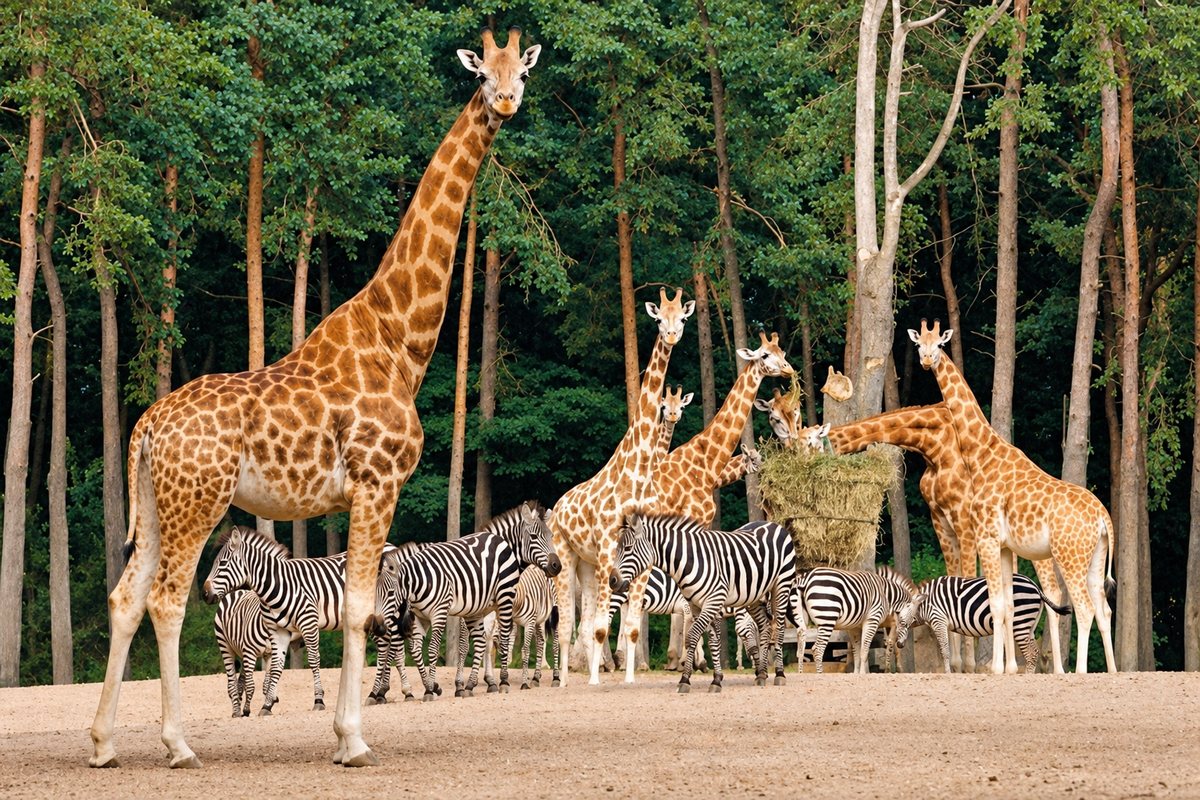
4Creative Movement – The ZooChildren take an imaginative trip to the zoo, moving like tigers, kangaroos, zebras, and gorillas. The activity combines pretend play with balance, coordination, rhythm, and gross-motor development.
5Chill Out – The ZooChildren wind down by stretching like a giraffe, yawning like a hippo, slithering like a snake, and sleeping like a lion. The activity ends with gentle movement and breathing to promote relaxation and body awareness.
1Wacky Walking – Forwards, Backwards, Sideways & Counting StepsChildren practice walking forward, backward, and sideways while following drum beats, vocal commands, and counting patterns. This activity develops balance, coordination, directional awareness, listening, and counting skills.
2Meet and Greet – It's Nice to Hear You!Children practice sitting, standing, greeting, and identifying their eyes and ears while responding to simple phrases and music. This routine encourages social connection, vocalization, body awareness, and listening skills.
3Warm Ups – Tap Your BodyChildren tap different parts of their bodies from head to feet in a progressive rhythmic sequence. This activity promotes body awareness, sensory stimulation, coordination, and rhythm.
4Creative Movement – Work with ToolsChildren use imaginative movements to chop, saw, hammer, dig, and respond to an approaching storm. This energetic activity develops strength, coordination, motor planning, imagination, and the ability to respond to changing cues.
5Chill Out – Shower DanceChildren pretend to wash and dry their bodies from head to toe using rhythmic movements. This playful cool-down promotes body awareness, sensory input, sequencing, and relaxation.
Level 2 · Super Squirrels
More variety, rhythm, body control and sensory awareness
Progress and build on basic movement skills by introducing greater variety, coordination, body control, sensory awareness, vocalization, rhythm, and imaginative sequencing. Through playful stories and music, children are encouraged to change direction, speed, size, position, and movement patterns while learning to connect their bodies, voices, minds, and moods. Like Level One, each class features locomotor, grinnastics, sensory tune ups, nonlocomotor, adventurobics and chill out activity tracks for children to follow progressive sequences of skill-building activities.
1Wacky Walking – Big & SmallChildren walk to music while exploring changes in step size, sound, and movement. They progress from tiny “baby steps” to big “giant steps,” adding vocal sounds to reinforce rhythm, coordination, and body awareness.
2Meet & Greet – GrinnasticsChildren use facial expressions, sounds, and smiles to wake up their faces and start the session with positive energy. Simple movements encourage facial awareness, vocalization, and happy interaction.
3Warm Up – Wacky WavingChildren explore waving with different parts of their bodies—from their hands and head to their shoulders, hips, elbows, knees, and eventually their whole body. The activity encourages body awareness, coordination, and movement variety to release tension and increase circulation.
4Sensory Tune Ups – EyesChildren keep their heads still while moving their eyes up, down, and all around, encouraging visual tracking and awareness.
5Adventurobics – Jungle JourneyChildren travel through an imaginary jungle using a variety of animal movements—cycling, marching, slithering, jumping, reaching, shaking, crawling, climbing, swimming, and running. The story creates a fun sequence of increasingly varied whole-body movements.
6Chill Out – Lion Stretch & Love BopChildren stretch like a lion using their arms and legs, then finish with the Love Bop—a simple self-hug followed by positive words that encourage self-acceptance and connection.
1Wacky Walking – Forward, Backward, Stiff & WiggleChildren experiment with different ways of walking, including big forward steps, small backward steps, loose Jell-O-like movements, and stiff robot steps. Adding “Beep, beep, beep” connects movement with rhythm and vocalization.
2Meet & Greet – Grinnastics & Sensory Tune UpsChildren practice changing facial expressions, spinning like helicopters, and gently rubbing their ear lobes. The activities combine facial movement, body coordination, and sensory awareness.
3Warm Up – Lotion DanceChildren pretend to shake and apply lotion while moving through a sequence that includes their hands, arms, shoulders, neck, stomach, chest, back, and legs. Singing “rub, rub, rub” adds rhythm and vocal participation.
4Adventurobics – Ocean VoyageChildren take an imaginative ocean journey by riding a bicycle, rowing a boat, surviving a storm, swimming, becoming dolphins and octopuses, hiding from a shark, and racing back home. The adventure combines whole-body movement with imaginative play.
5Chill Out – Clam Dance & Wave DanceChildren open and close like a clam before transitioning to slow, flowing movements like ocean waves. The activity builds core muscle strength and coordination while providing a gentle way to move from active exercise toward relaxation.
1Wacky Walking – Stiff, Wiggle & Outer SpaceChildren alternate between stiff robot walking and loose Jell-O-like movement before blasting off into outer space. They then practice moving extremely slowly and quickly as they encounter snow and hot lava, developing control over movement speed and body position.
2Meet & Greet – Grinnastics Face DancingChildren explore individual facial movements—eyebrows, nose, mouth, and cheeks—before combining them into “Face Dancing.” The activity develops facial awareness and control while encouraging children to express happiness.
3Warm Up – Clapping DanceChildren progressively coordinate clapping with their shoulders, knees, feet, hands, elbows, and whole-body movements. Walking and changing tempo add challenges in coordination, rhythm, and motor planning.
4Adventurobics – Train RideChildren become a train traveling over bumpy and smooth tracks, stopping to chop down a tree, escaping a bear, climbing, hopping, and pushing the tree from the track. The imaginative sequence combines locomotor and nonlocomotor movement, coordination, balance, and rhythm.
5Chill Out – Butterfly Dance & Train DanceChildren move different parts of their bodies like butterfly wings before transitioning into the upbeat Train Dance. Singing along reinforces movement, rhythm, positive self-expression, and social connection.
1Wacky Walking – Tiptoes, Heels & SidewaysChildren practice walking forward on their tiptoes, backward on their heels, and sideways in both directions. They then add quiet tiptoe walking, vocal cues, and marching to develop balance, coordination, and movement control.
2Meet & Greet – Grinnastics & VocalizationChildren combine facial expressions, movement, and vocal sounds through Face Push Ups and the Giant Story. They sing like a giant, princess, and baby while changing their body positions and voices, encouraging vocal expression and body awareness.
3Warm Up – The Painter's DanceChildren pretend to draw an entire city using different body parts. Hands create buildings, feet make rooftops, the nose and shoulders draw circles, and elbows and knees create signs and cars. The activity turns body movement into an imaginative coordination challenge.
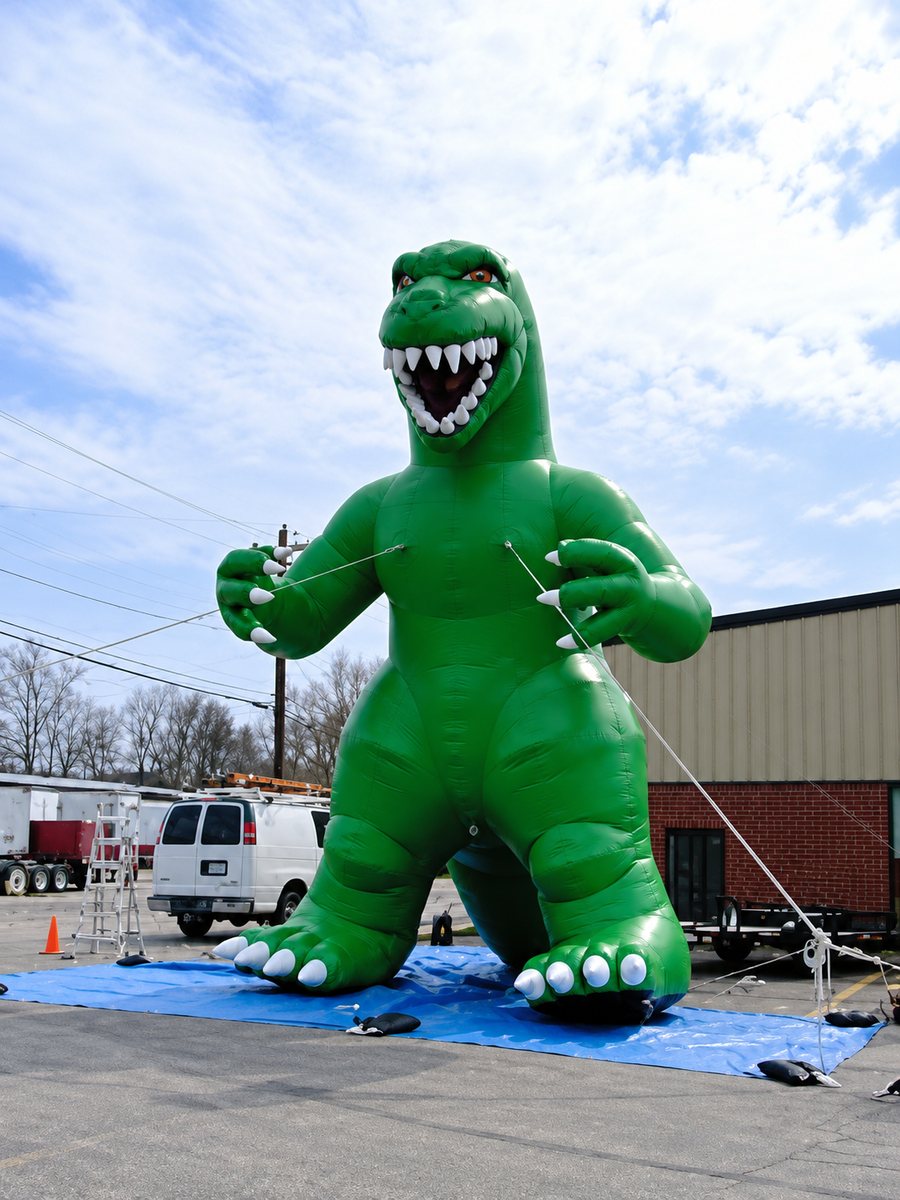
4Adventurobics – City ParadeChildren drive to the city and join a musical parade, playing drums, trombone, and cymbals while marching. They then become a horse, dog, and Godzilla before racing away and discovering that Godzilla is actually a balloon. The story combines rhythm, pretend play, and whole-body movement.
5Chill Out – Ding Dong Dance & Free as a BirdChildren sway like the inside of a bell while singing “ding dong,” then transform into a bird flying through the air. Slow, rhythmic movements provide a playful transition from active movement toward relaxation.
Level 3 · Awesome Otters
Adventurobics: 15-minute musical stories on the farm, a mountain and in the city
You are now advancing to the Adventurobics segments of Funsical. This means that the Wacky Walking, Meet and Greet, Warm Ups, Creative Movement and Chill Out activities will be blended into musical stories that explore a variety of themes. Children will explore and learn to comprehend the English meanings of these themes, while being directed to act out each 15-minute story. The primary goal is to help children gain more proficient self-control, physical endurance and concentration abilities while learning to identify, comprehend and use the terminology involved with themes like the Farm, Mountains and City.
1Stacking HayChildren pretend to ride a tractor, stack hay with a pitchfork, chase mice, and swing their bodies to shoo them away. The activity builds coordination, balance, strength, and imaginative movement.
2Planting SeedsChildren ride their tractor, toss seeds with alternating hands, then jump and move faster to chase away hungry birds. The activity develops coordination, rhythm, motor planning, and whole-body control.
3Picking ApplesChildren ride to the orchard, climb an imaginary ladder, reach for apples, escape buzzing bees, and swim to safety. The activity encourages balance, coordination, strength, and motor planning.
4Milking CowsChildren ride a bouncing tractor, then kneel and use rhythmic hand movements to milk a cow while singing “Moo, moo, moo.” The activity develops coordination, rhythm, strength, and vocalization.
5Fox in the Hen HouseChildren sneak like a fox, flap like frightened chickens, then gallop and trot like a proud horse. The activity develops balance, coordination, body awareness, and imaginative play.
6Barnyard BoogieChildren act out chickens, pigs, cows, and horses using different body movements and making animal sounds. They repeat the sequence faster each time, building rhythm, coordination, memory, and movement control.
7Rolling with the PigsChildren roll like pigs in the mud, then pedal an imaginary bicycle home using their feet, hands, and both together. The activity develops coordination, core strength, motor planning, and sequencing.
1Drawing Mountains and TreesChildren create personal space, ride an imaginary bicycle, draw mountains and trees with different body parts, and sway like trees in the wind. The activity develops coordination, body awareness, balance, and motor planning.
2Drawing Clouds and SnowChildren draw clouds with their noses and shoulders, then move their fingers and bodies like falling snow before walking through deep snow. The activity encourages body awareness, coordination, balance, and sensory awareness.
3Ski TripChildren ski down the mountain and become a bunny, fox, bear, and Big Foot in an exciting chase. A buzzing bee helps save the animals before they each make their escape. The activity builds strength, coordination, balance, motor planning, and imagination.
4Tree DanceChildren move their fingers and arms like a tree blowing in the wind, then shake their bodies to chase a bear from the tree. The activity develops body awareness, coordination, balance, and whole-body control.
5Bird and BikeChildren fly away like birds, using their arms and legs as wings and then riding an imaginary bicycle home with their arms and legs. The activity develops coordination, strength, motor planning, and sequencing.
1Bike, Drive and DrawChildren create personal space, ride an imaginary bicycle while lying on their backs, drive downtown, and draw buildings and cars using their elbows and knees. The activity develops coordination, body awareness, motor planning, and movement control.
2Walk, Smile and Loosen UpChildren walk through the city while moving their heads, shoulders, and hips in different ways. The activity encourages body awareness, coordination, flexibility, and expressive movement.
3The ParadeChildren become clowns, musicians, horses, dogs, and Godzilla while marching, jumping, playing instruments, and responding to the changing story. The activity develops rhythm, coordination, motor planning, imagination, and listening skills.
4Drive and BikeChildren pretend to drive a car, then ride their bicycle home using coordinated arm and leg movements while singing “Round and round.” The activity reinforces coordination, rhythm, sequencing, and whole-body control.
Level 4 · Coordinated Cats
Strength and endurance on jungle, ocean and train adventures
Now we begin building strength and endurance in the large muscle groups of the arms, legs, back and abdominal muscles while improving balance and coordination. Children will perform a variety of developmental dance and gymnastics activities by acting out an imaginary trip to the African Jungle, the Ocean and a Train Ride through a mountain, desert and a river.
1Ride a Bike and Fly an AirplaneChildren create personal space, ride a bicycle, fly an airplane, and land. The activity develops coordination, balance, motor planning, and body control.
2Walk, Run and Climb a TreeChildren walk through tall grass, run from a rhinoceros, and climb an imaginary tree to look for animals. The activity builds strength, balance, coordination, and imaginative movement.
3LionsChildren climb down from the tree, sneak up on sleeping lions, stretch, and move like lions hunting. The activity develops flexibility, strength, balance, and body awareness.
4BuffaloesChildren crawl like a baby buffalo, sneak like a lion, then gallop and charge like a mother buffalo. The activity encourages strength, coordination, balance, and motor planning.
5MonkeysChildren swing through the trees, throw imaginary coconuts using their arms and feet, then jump down and run like lions. The activity develops coordination, strength, motor planning, and imaginative play.
6Zebra, Giant Gorilla and Laughing HyenasChildren gallop like zebras, stomp like giant gorillas, and roll and laugh like hyenas. The activity builds whole-body coordination, rhythm, strength, and expressive movement.
7Elephants and the Water HoleChildren walk like lions and elephants, use their arms as trunks, and splash and bathe at the water hole. The activity develops coordination, balance, strength, and body awareness.
8Sleep and DreamChildren stretch like lions, settle down to sleep, float like clouds, and dream of riding bicycles like jungle animals. The activity encourages flexibility, relaxation, imagination, and motor control.
1Ride a Bicycle and Row a BoatChildren ride a bicycle, row a boat using different body parts, rock with a storm, and swim like scuba divers. The activity develops coordination, strength, balance, and motor planning.
2CrabsChildren reach for pearls, crawl and roll like crabs, and pinch with alternating hands. The activity builds coordination, strength, balance, and body awareness.
3OctopusChildren move their arms, legs, and hips like an octopus, then swim using their whole bodies. They speed up when a shark appears. The activity develops coordination, strength, flexibility, and motor control.
4Shark and DolphinChildren move like sharks, then become dolphins that swim and chase the shark away. The activity encourages whole-body coordination, balance, strength, and imaginative play.
5Fishing Net RescueChildren pretend to be trapped dolphins, mermaids, crabs, and octopuses as they work together to escape a fishing net. The activity develops coordination, strength, motor planning, and problem-solving.
6Oysters, Pearls and PiratesChildren dive for pearls, open and close like oysters, swim from pirates, duck and jump to avoid a sword, and row quickly home. The activity builds coordination, balance, strength, sequencing, and motor planning.
1Rock SlideChildren move like a train up a mountain, bounce or roll like falling boulders, then break up and clear rocks from the track. The activity develops strength, coordination, balance, and motor planning.
2Desert WindstormChildren ride a bumpy train, shovel sand from the tracks, move quickly over hot sand, and freeze like a rattlesnake. The activity builds coordination, balance, strength, and body control.
3Down by the RiverChildren travel by train, repair a broken bridge, chop wood, hammer nails, and interact with frogs, an otter, and an alligator. The activity develops strength, coordination, motor planning, imagination, and sequencing.
4I Like Myself and You TooChildren finish the train journey with a rhythmic train dance and air guitar. The activity reinforces rhythm, coordination, self-expression, and positive self-awareness.
Level 5 · Marvelous Monkeys
A 20-minute story of what happened to Jack and Jill
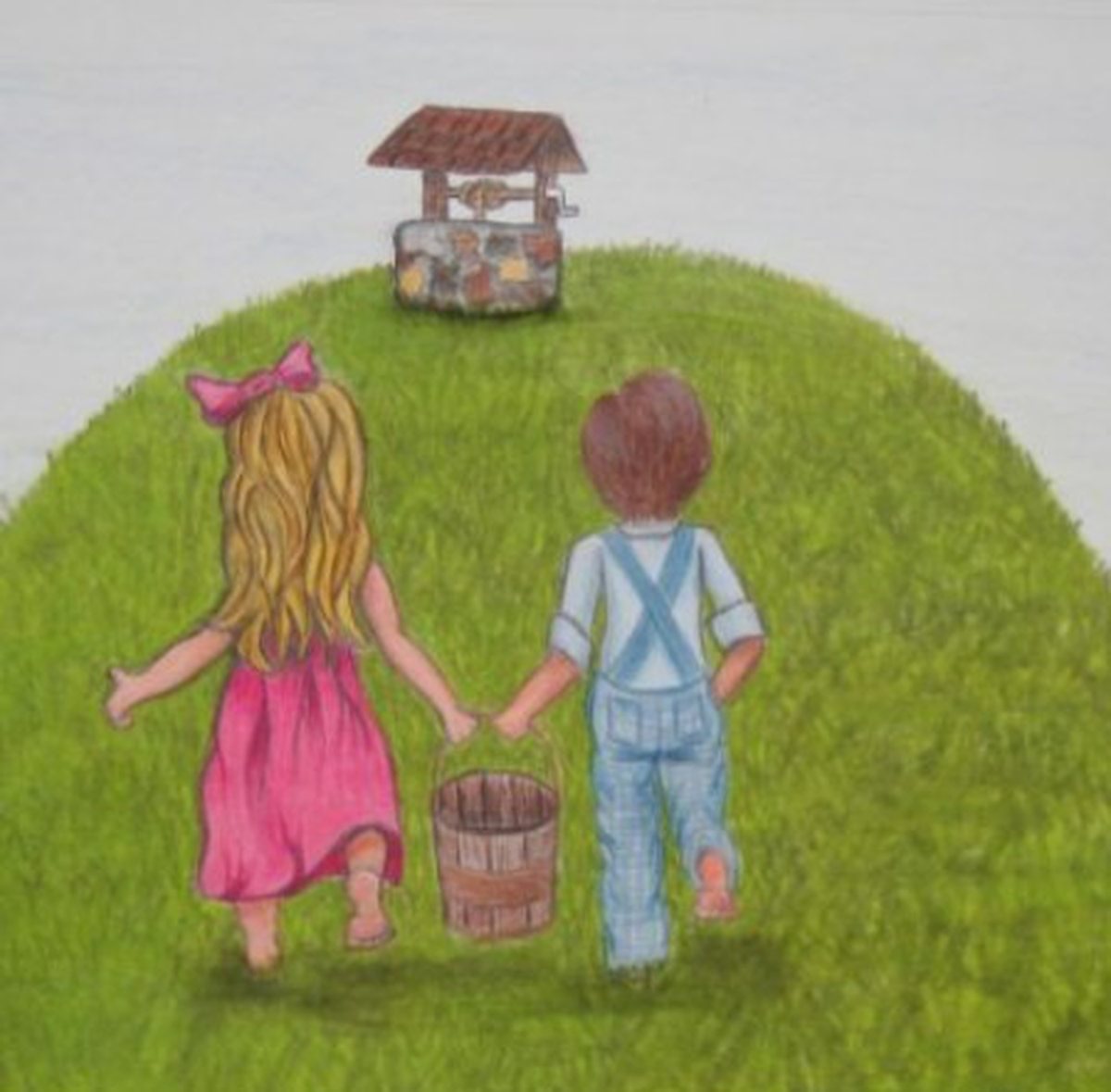
Here's the story of what happened to Jack and Jill after Jack fell down and broke his crown. Children will comprehend the themes, actions and plots involved in these two fictional stories that continue the saga of Jack and Jill.
The primary physical objective is for children to perform a continuous series of movement patterns with increased repetitions of large muscle groups for a twenty-minute period.
The language objectives are to help children identify, comprehend and conceptualize more complicated story lines, conflicts and plots by acting out and following these imaginary adventures in the world of make-believe.
1Up and Down the HillChildren pretend to walk up and down hills in different directions, searching for water, then pretend to fall as Jack breaks his crown, falls asleep and dreams. The activity develops balance, coordination, strength, and body control.
2Time Machine Dream with DinosaursJack dreams he's in a Time Machine, and children pretend to travel through time, fly like a pterodactyl, hide in a cave, climb and slide down a brontosaurus, and run from a T-Rex. The activity develops motor planning, coordination, strength, and imaginative movement.
3Planet Ga-Ga, the Goo-Goos and the Ooey Gooey GuyThe pterodactyl grabs Jack, carries him into outer space and drops him, as children pretend to fly through space like Jack, dodge meteors, bounce on another planet, dance like the Goo-Goos, shake from what appears to be an earthquake, and then swim away from the Ooey Gooey Guy. The activity encourages whole-body coordination, balance, strength, sequencing, and imagination.
4Wake Up JackAs Jack is lying there screaming about the Ooey Gooey Guy, Jill throws a pail of water on him, wakes him up and says, “Calm down, Jack, you're having a bad dream.” Children calm down from their adventure, tap their hands to the beat, and sing the familiar Jack and Jill song. The activity reinforces rhythm, vocalization, relaxation, and positive closure.
1Stop and ThinkAfter Jack falls down and breaks his crown, Jill has to stop and think, moving her arms like a fast-moving clock before continuing her journey to fetch a pail of water to throw on Jack and wake him up. The activity develops sequencing, motor planning, rhythm, and cognitive flexibility.
2The Mountain Goat and the Windy Windy RoadJill begins her journey to find water as children move like a mountain goat, ride on its back, then travel down a windy and winding road using zigzag movements. The activity builds balance, coordination, motor planning, and body control.
3The Owl, the Cliff and the Thick and Thorny ForestJill realizes she is lost but gets guidance from an owl who is exercising, as children exercise like an owl, balance heel-to-toe across a fallen tree, then push through thick leaves and quickly step through thorns. The activity develops balance, coordination, strength, and motor planning.
4The Waterfalls and the RiverJill hears water falling as children climb onto a rock, move like a waterfall, run, prance like deer, and swim like a baby deer in the river. The activity encourages balance, coordination, strength, and imaginative movement.
5The RescueJill has to save the deer as children stop to think, throw a branch into the river, carefully balance across it, rescue the baby deer, and swim to safety with help from the owl. The activity develops problem-solving, balance, coordination, strength, and sequencing.
6Returning Back to JackChildren retrace their journey while carrying their bucket—moving through thorns, pushing leaves, balancing across the tree, and zigzagging down the windy winding road without spilling the water, so Jill can throw it on Jack to wake him up. The activity reinforces balance, motor planning, coordination, and self-control.
Level 6 · Great Gorillas
Advanced movement sequences on a giant's underground journey
This is the beginning of a giant story as the giant Burt starts building a house for his family, but falls into a hole and begins a journey to find his way out and back to his family. Children perform advanced sequences of movement patterns similar to tai chi and other movement and dance arts programs to practice sequential patterns that enhance coordination, rhythm skills and cardiovascular endurance while comprehending a mystery story about a giant and his underground journey. The language objectives are for children to identify, comprehend and conceptualize a continuous fictional story of a giant who gets lost in a very mysterious underground cave.
1The Morning WalkChildren explore different ways of walking—as a giant, princess, and baby—changing their steps, speed, and body movements. The activity develops balance, coordination, body awareness, and movement control.
2Sing and DanceChildren sing and dance like a giant, princess, and baby, using different movements and voices for each character. The activity encourages rhythm, vocalization, coordination, and creative expression.
3Build a HouseThe giant goes to work building his house as children pretend to chop trees, cut logs, saw wood, and dig with a backhoe. The activity builds strength, coordination, motor planning, and whole-body control.
4The Backhoe BoogieChildren follow a fun sequence of reaching, digging, turning, stepping, shaking, and dumping to music. The activity develops coordination, sequencing, rhythm, motor planning, and movement control.
5The Big Black RockThe backhoe can't break a big black rock, so children dig around a giant rock, push it, fall into a hole, land in thick mud, and react to imaginary worms. The activity develops strength, balance, coordination, body awareness, and imagination.
6Alone in the HoleThe rock falls over and covers the hole and the giant can't see a thing, so children take tiny giant steps to find their way through the hole and out of the mud. The activity encourages motor planning, body awareness, self-regulation, and positive self-awareness, as in tai chi.
7The Love BopThe giant is confused and scared but needs to stay positive and brave, so children do the Love Bop with him by giving themselves a hug and saying, “I love myself—and you too!” The activity promotes positive self-awareness, connection, and emotional well-being.
1Stop and ThinkThe giant doesn't know what to do and has to do an exercise that helps him calm down and think clearly, so children move their arms and feet in opposite directions while walking in place. The activity develops coordination, motor planning, problem-solving, and persistence.
2Climb and FallThe giant thinks he can climb out of the hole, so he tries to climb up the walls, and children repeatedly climb an imaginary wall using their arms and legs before falling back and trying again. The activity builds strength, coordination, balance, motor planning, and perseverance.
3Spurtles, Bats, Butterflies, Butterfly Bats and Upside-Down SnakesSince the wall is too steep and slippery, the giant decides to keep going even though he doesn't know where to go and what strange things may lie ahead, so children pretend to move through an imaginary cave while pushing away webs, crawling like spurtles, flying like bats and butterflies, and slithering like upside-down snakes. The activity develops whole-body coordination, flexibility, balance, and imaginative movement.
4Slipping, Sliding and Icky Yicky Sticky StuffThe giant starts sliding on some slippery stuff and then some sticky stuff, so children slide like snowboarders, then move slowly through imaginary sticky stuff. The activity develops balance, body control, coordination, and movement awareness.
5The Popcorn PatchThe giant smells and hears popcorn popping, so children hop like popping popcorn, carefully cross a narrow patch while reaching for popcorn, then quickly move across the hot ground. The activity builds balance, coordination, strength, and motor planning.
6The Zig Zag StrutThe cave is getting smaller and zig-zaggedy, so children move sideways through an increasingly narrow cave, then duck and crawl as the space gets smaller. The activity develops spatial awareness, coordination, balance, and motor planning.
7The Little PeopleThe giant sees a light and looks through to see little people singing and dancing, so children dance and sing with the little people, then practice calming themselves with the Love Bop when the little people run away. The activity encourages rhythm, vocalization, emotional regulation, self-awareness, and positive interaction.
8The Love BopThe giant yells “HELP” as loud as he can and scares the little people away. The giant is feeling sad and helpless, so he needs to do the Love Bop again to give him hope and make things feel right!
Open a level to see its classes. Play a sample, see what children do, then download the class from the
shop.
Start at Level One. Each level builds on the one before.
Characters
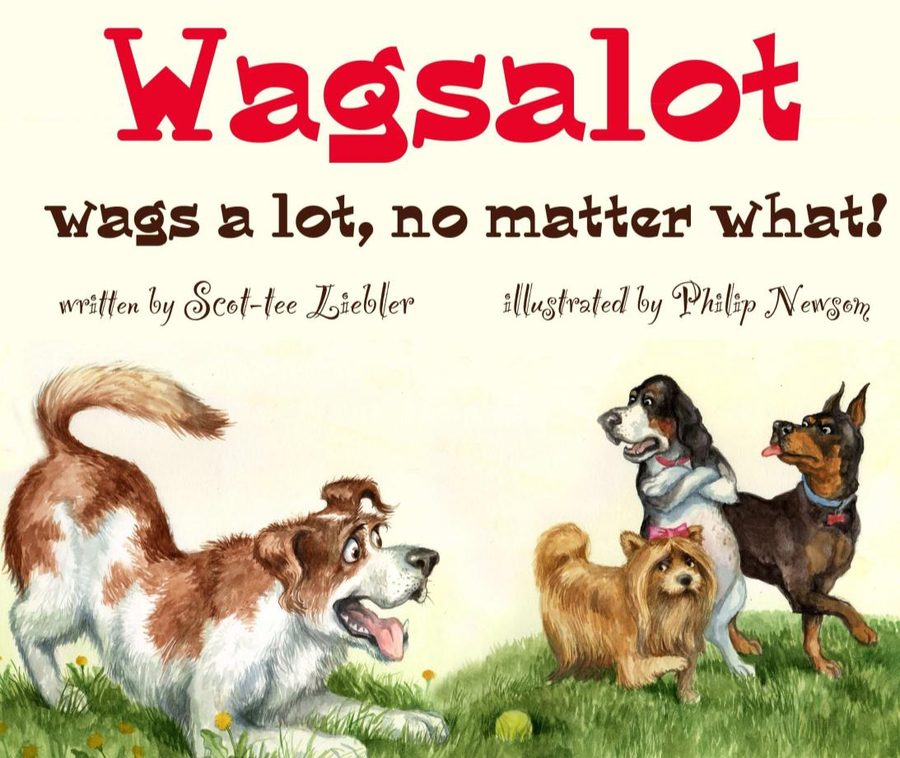
Wagsalot
Wags a lot, no matter what.
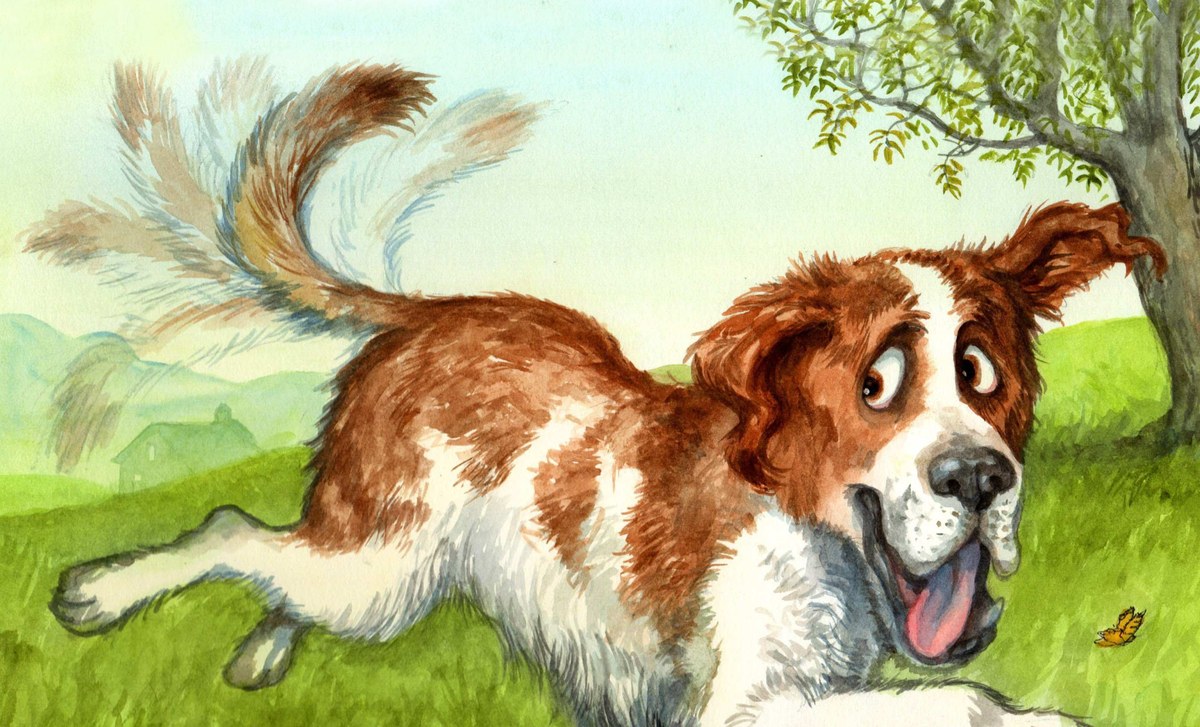
An energetic dog who loves to play, but whose constantly wagging tail makes the other dogs unwilling to play with him. After trying to creep, waddle, slither and sit differently, he meets a child who admires his tail and loves him no matter what.
Playful
Persistent
Energetic
Try it:creep like a cat, waddle like a duck, slither like a snake, then dance like a dog who can't stop wagging his tail.
Written by Scott Liebler, illustrated by Philip Newsom. Published by Funsical, 2016.
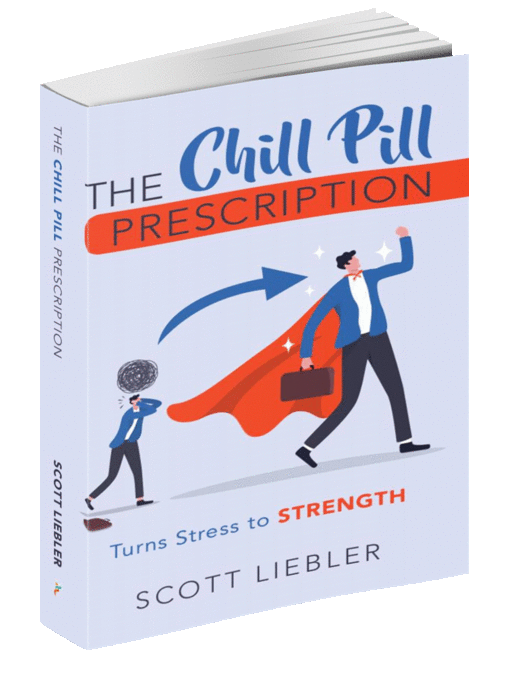
Does stress harm or strengthen you? Are you ready to bid farewell to worthless worrying, anxiety and late-night mind marathons? Or, are you a naturally chilled…
Scott Liebler has an effective way of making ancient truths and modern science accessible to an ordinary person in a way that I can incorporate these truths to improve my happiness and effectiveness as a human being every day.
C. Louis "Doc PJ" Perrinjaquett MD. MPH
“
In The Chill Pill Prescription book, I like how author Scott Liebler shares his personal story as an illustration of the seven-step prescription for managing stress, tension, and anxiety. It's a relatively quick read that artfully weaves his story together the with the science of stress and the seven steps that will help readers respond more positively in difficult situations. Liebler offers simple exercises and memory cues that will help readers respond in the moment with confidence and calm, instead of the instinctive responses of fight, flight, or freeze. I found myself using the chill pill prescription within 24 hours of reading the book. Highly recommended.